The Evolution of the Contemporary Gin Bar
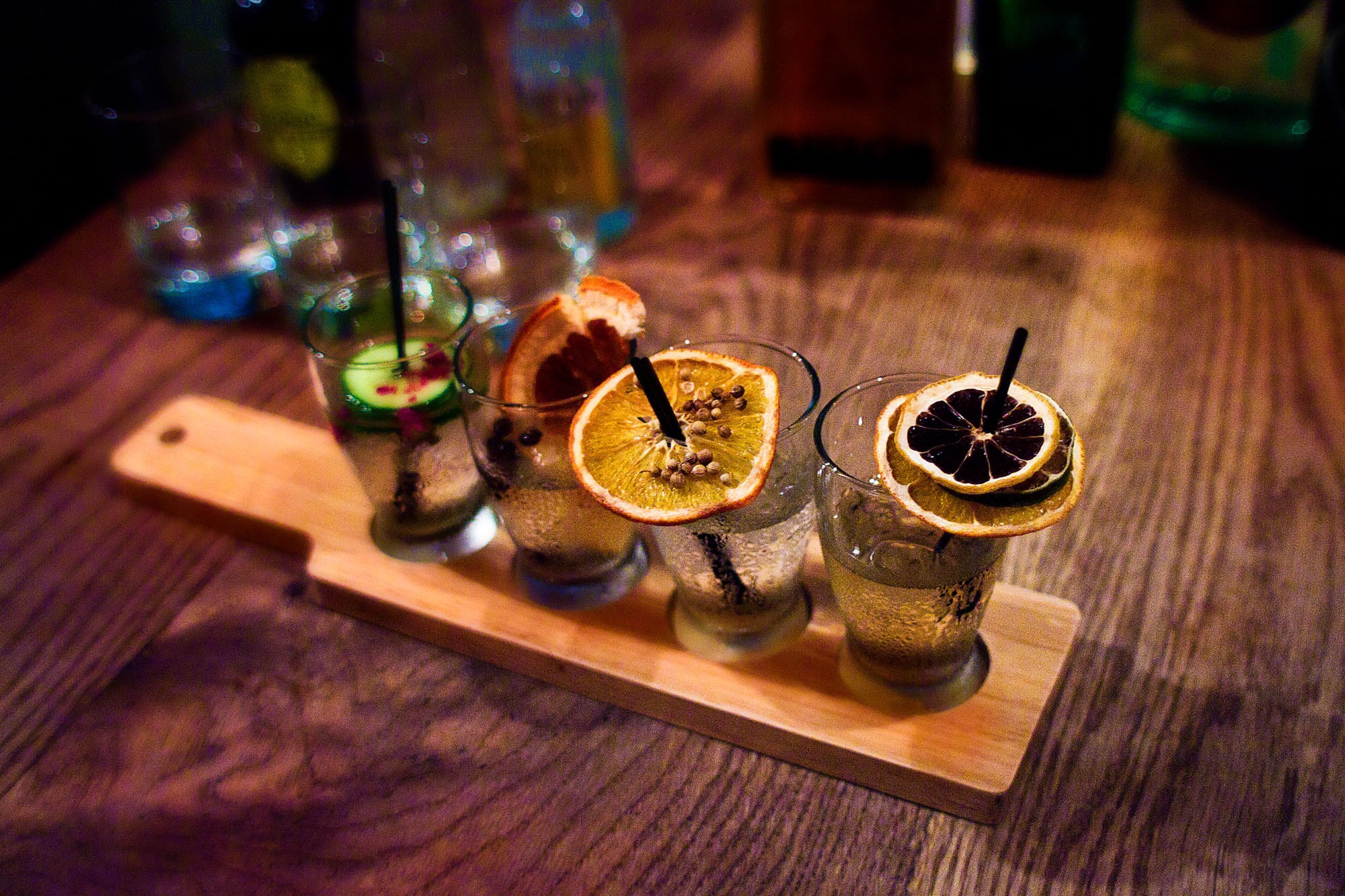
Gin has always worn more than one face. It has been medicine, moral panic, military ration, clubland staple, and the backbone of some of the most disciplined cocktails ever built. That layered history explains why the modern Gin Bar feels so rich with possibility. It is not simply a place that stocks many labels. At its best, it is a room where history, hospitality, flavor science, and local culture meet in a glass.
The contemporary Gin Bar did not appear overnight. It grew out of changing drinking habits, shifts in design culture, the rise of craft distilling, and a broader public appetite for specificity. Guests no longer ask only for a gin and tonic. They ask which gin, which tonic, what garnish, what style, what proof, what botanical profile, and why the bartender chose that combination. Twenty years ago, that level of detail could have felt performative. Today it is ordinary, at least in serious bar cities.
What makes this evolution interesting is that it has not been linear. Some bars chased spectacle and burned out. Others hid behind encyclopedic back bars and forgot the basics of warmth and service. The strongest gin-led venues learned a different lesson. Depth matters, but curation matters more. Knowledge counts, but hospitality counts most.
From spirit shelf to point of view
Older bars often treated gin as one pillar among many. Even where the spirit had prestige, it usually lived inside a broader classic cocktail program. A London dry sat on the speed rail. A premium bottle or two stood behind it. Martinis, Negronis, and G&Ts paid the bills. The bar itself was not defined by gin as a worldview.
The first real wave of dedicated gin bars changed that. They built identity around range. Walking into one of these places in the late 1990s or early 2000s could feel like entering a specialist library. The menus were long. The bottle count could push well past one hundred, sometimes toward two hundred. Staff spoke about juniper intensity, citrus lift, root structure, and still type with almost evangelical focus. For many guests, this was revelatory. For others, it was slightly intimidating.
Those early specialist bars did important work. They taught drinkers that gin was not monolithic. A classic London dry brought one set of signals, crisp juniper, coriander, angelica, dry citrus peel. A softer contemporary style might turn up floral notes or fresh cucumber. A navy strength gin could carry tonic with remarkable authority. Barrel-rested expressions hinted at crossover territory with whisky drinkers. The category opened up.
Yet abundance carried risks. I have seen bars with astonishing collections and weak sales because the offering was too broad to navigate. When every page looks equally important, nothing stands out. Guests fall back on what they know. The bartender ends up doing educational triage instead of guiding pleasure. Contemporary gin bars have largely corrected for that problem. The best ones still stock deeply, but they frame the experience with clearer editorial choices.
The tonic changed everything
No discussion of the Gin Bar can ignore tonic. For decades, tonic water was often treated as a generic mixer, a carbonated afterthought delivered from a soda gun or a warm bottle from a speed rack. That approach flattened the drink. Good gin disappeared into sugar, harsh quinine, and tired bubbles.
The premium tonic movement altered the economics and the aesthetics of the category. Once bars began offering different tonic styles, dry, Mediterranean, elderflower-led, low sugar, sharply quinine-forward, they unlocked a more nuanced service ritual. Suddenly the gin and tonic became a constructed serve rather than a default highball.
This had several consequences. First, bars could justify talking about pairing. A resinous, piney gin might want a clean, restrained tonic. A floral gin might need a drier partner to avoid turning soapy. Second, garnish became more intentional. Grapefruit peel, rosemary, green cardamom, black pepper, lemon thyme, and bay all entered the conversation, not as random decoration but as aromatic tools. Third, glassware changed. The balloon goblet, whatever one thinks of its fashion cycle, encouraged aroma and created visual theater.
Some of this became excessive. There was a period when gin serves arrived looking like edible terrariums. Giant goblets packed with sliced strawberries, fistfuls of mint, and enough ice to chill a fishmonger’s slab often made for strong social media and mediocre drinks. The more experienced bars have moved toward restraint. A garnish should clarify the gin, not obscure it. Too much rosemary can dominate a delicate spirit. Too much citrus peel oil can turn bitterness muddy. Contemporary bar teams understand that balance better than they did a decade ago.
Craft distilling redrew the map
The growth of small distilleries transformed the modern gin landscape more than any menu design trend. Gin is relatively accessible compared with spirits that require years of aging. A new distillery can develop, refine, and release a product without tying up capital for long maturation. That made gin an entry point for many producers, particularly in the United Kingdom, Spain, Australia, parts of Europe, and later North America and Asia.
For bars, this changed procurement from a simple brand relationship into a local conversation. The back bar began to reflect geography. A venue in Edinburgh might stock nearby coastal gins that emphasize sea herbs or saline character. A bar in Melbourne could pour bright, contemporary bottlings built around native botanicals. A North American gin bar might highlight spruce tips, sagebrush, Douglas fir, or local citrus. The category became a vehicle for place.
This localism brought freshness to the guest experience, but it also introduced inconsistency. Not every craft distiller makes excellent gin. Enthusiasm can outpace technical skill. It is one thing to load a basket with unusual botanicals. It is another to produce a balanced spirit with structure, clarity, and finish. Bartenders learned quickly that storytelling could sell one round, but quality alone built repeat business.
That is why smart gin bars now edit local representation carefully. They may support regional distillers, but they do not stock everything indiscriminately. In practical terms, a strong gin list today often feels like a conversation between classic benchmarks and newer voices. The classics set the grammar. The new bottles bring dialect, texture, and surprise.
The room itself grew up
There was a time when many gin-focused venues leaned heavily on nostalgia. Apothecary cues, Victoriana, dark woods, maps, brass, bell jars, and old pharmacy bottles signaled seriousness. Some of those rooms were beautiful. Some looked like stage sets built from online mood boards. The design shorthand became so common that it risked turning the category into a costume.
Contemporary Gin Bar design has broadened considerably. There are still plush, club-like rooms where a Martini feels at home under low light. But there are also bright neighborhood bars with clean lines, natural materials, and open shelving, where gin is framed as fresh and gastronomic rather than merely historic. In warmer climates especially, gin bars often borrow from café culture, bringing in daylight service, terrace seating, and lighter food.
That shift matters because people do not drink gin in just one mood. A chilled Martini before dinner asks for one environment. A long tonic on a summer afternoon asks for another. The modern gin bar succeeds when the room supports the way people actually want to spend time, not just the way a concept deck imagines they should.
The same maturing process shows up in music, pacing, and service choreography. Staff at good gin bars no longer deliver a lecture at the first sign of curiosity. They read the guest. Someone on a date may want one neat suggestion and then privacy. A collector may want ten minutes on vacuum distillation and botanical extraction. Hospitality is partly knowledge, but mostly calibration.
Menus became shorter, smarter, and more useful
One of the clearest signs that the category has matured is menu writing. Earlier gin bars often equated value with volume. Long lists promised authority. They also created friction. Guests spent too long scanning, too little time ordering, and often defaulted to familiar brands anyway.
The strongest contemporary menus organize gin by style and use language that helps people choose without dumbing anything down. Terms like juniper-forward, citrus-led, floral, savory, coastal, and spice-driven are genuinely useful when backed by staff training. Brief context beats long tasting notes. Few guests need a paragraph. Most need a nudge.
This does not mean simplification at the expense of depth. It means depth made navigable. A good menu can suggest three ways to enter the category: through a classic G&T, through a Martini variation, or through a house cocktail designed to showcase a specific gin's profile. If a guest enjoys one route, the bartender can extend the experience from there.
I have watched sales improve dramatically when bars cut their printed gin list by a third and moved the rest into a supplementary book or digital database. On paper, reducing visible stock looks counterintuitive. On the floor, it works. The guest sees confidence rather than clutter. Decision fatigue drops. Bartenders spend more time in meaningful conversation and less in index management.
The Martini returned with standards
No drink reveals a gin bar’s seriousness faster than the Martini. The modern cocktail revival brought the Martini back into focus, but not every bar handled the responsibility well. Too many relied on vague notions of elegance without mastering the technical basics. Temperature, dilution, glassware, vermouth freshness, and garnish discipline separate a competent Martini from a forgettable one.
Contemporary gin bars tend to be much sharper here than their predecessors. Freezer storage, measured dilution, colder glassware, and better vermouth handling are now far more common. Guests have also become more literate. They ask for ratios rather than simply “extra dry.” They know whether they like lemon twist or olive. Some ask for specific gin styles because they understand how a robust juniper profile changes the drink.
This evolution pushed bars to train more rigorously. It also helped the category shed one of its weaker habits, the assumption that premium spirits alone guarantee quality. A costly gin served in a warm glass with tired vermouth is still a bad Martini. Conversely, a well-made Martini with a reasonably priced, structurally sound gin can be excellent. The modern Gin Bar increasingly communicates that competence matters more than ornament.
Food entered the conversation
A generation ago, food in a gin-led venue was often tokenistic. Olives, nuts, perhaps a cheeseboard if management felt ambitious. That model still exists, especially in bars built around quick evening traffic. But many contemporary gin bars now think much more seriously about food.
This has practical roots. Longer dwell times support higher spend. Better food broadens the audience. Day-to-evening trading works more smoothly when there is a credible kitchen offer. More importantly, gin pairs well with far more than people once assumed. Its botanical complexity suits cured fish, shellfish, fried snacks, citrus-led salads, hard cheeses, and spice-driven small plates. Even relatively simple dishes can become more expressive with the right serve.
A bar I visited a few years ago offered a saline, herbaceous local gin with raw scallops, grapefruit, and fennel. On paper, it sounded obvious. In the glass, it was exact. The briny lift of the spirit sharpened the sweetness of the scallops and made the fennel feel cleaner. That sort of pairing would have been rare in a gin bar twenty years earlier. Today it signals maturity.
The rise of the low and no-alcohol gin serve
Another major shift has been the expansion of low and no-alcohol options. Some bars resisted at first, treating alcohol-free distillates as fashion products rather than serious additions. But guest behavior changed. People moderate for many reasons, health, pacing, early meetings, pregnancy, training blocks, or simply preference. A contemporary bar that ignores this reality is not protecting standards. It is missing the room.
Gin bars were especially well positioned to respond because so much of the category’s pleasure lies in aroma, bitterness, carbonation, and garnish. A zero-proof serve can still feel adult, layered, and ritualistic. The challenge is avoiding thinness or sweetness. Many early alcohol-free drinks failed because they leaned on syrup to compensate for missing texture.
The better bars now build these serves with as much care as their full-strength drinks. They use proper glassware, thoughtful ice, measured seasoning with saline or acids where appropriate, and restrained garnish. Guests notice the respect. It changes the tone of the bar. Abstaining no longer looks like opting out.
What guests expect now
The customer for a Gin Bar has changed. There are still collectors and classicists, but a broader crowd now walks through the door. Some arrive through wellness-adjacent moderation and want one excellent drink instead of three average ones. Some come from wine and are interested in origin and production. Some are younger drinkers who discovered gin through colorful flavored releases, then gradually moved toward drier, more structured expressions.
These guests tend to expect a few things as standard:
- A curated selection rather than a random pile of bottles
- Staff who can guide without showing off
- At least one excellent Martini and one excellent G&T
- Good ice, proper glassware, and fresh vermouth
- Serious options for guests not drinking alcohol
None of that sounds radical, but delivering it consistently is hard. Training takes time. Stockholding ties up cash. Premium tonics raise costs. Fresh citrus and garnish prep add labor. Glass breakage is real. In many cities, staffing remains unstable. The romance of the gin category can obscure the operational discipline required to run the room profitably.
The economics behind the back bar
A bar focused on gin faces a particular balancing act. Bottles multiply quickly. So do suppliers. If buying is not tightly managed, Gin Bar the back bar becomes expensive wallpaper. Some products move steadily. Others sit for months. The challenge is to maintain excitement without freezing working capital in inventory that rarely leaves the shelf.
This is where contemporary operators tend to be tougher than earlier enthusiasts. They track movement by serve, by spirit style, and by season. They know which gins sell neat, which work mainly in Martinis, and which only move when staff actively recommend them. They also know that the tonic program can make or break margin. A premium G&T may look simple, but glassware, large-format ice, branded tonic, and fresh garnish all nibble away at profit if pricing is timid.
Many successful gin bars quietly use a tiered strategy. Signature classics and house serves drive volume. A smaller set of rare or specialist bottles builds reputation and gives staff conversational tools. The rare stock matters, but it Gin Bar does not need to carry the business. Too many operators once designed their offer around collector fantasy rather than nightly reality. The modern category is more grounded.
Flavor moved beyond juniper versus floral
Public understanding of gin has become more sophisticated. Ten years ago, many guests framed the category through a simple opposition: traditional and juniper-heavy on one side, modern and floral on the other. That distinction still has some use, but it is increasingly inadequate.
Bartenders now talk more comfortably about texture, bitterness, salinity, root depth, citrus freshness, seed spice, and finish. Distillation methods enter the conversation too. Vacuum-distilled components can preserve delicate aromatics. Different cuts change structure. Base spirit quality, once ignored in much consumer marketing, gets more attention among serious drinkers.
This richer vocabulary has changed how bars design drinks. The most interesting gin cocktails today do not merely swap gin into templates built for other spirits. They use gin’s architecture thoughtfully. A savory Martini variation might highlight olive leaf or dill. A long serve might exploit green tea bitterness and tonic dryness. A stirred drink might lean on gentian or dry vermouth to amplify rooty notes rather than burying them under sugar.
There is also a healthy backlash against novelty for its own sake. Not every unusual botanical belongs in gin, and not every pink or color-changing release deserves space. Bars with experienced buyers have become more selective. They ask whether the liquid works, not whether the label photographs well.
Regional identities are stronger than ever
One of the most promising developments in the contemporary Gin Bar scene is the rise of regional identity. The best bars increasingly reflect their city or country rather than importing a generic global template. This can show up in local distillates, local food pairings, seasonal garnishes, or service rhythms shaped by the surrounding culture.
A Spanish gin bar often treats the G&T with a level of ceremony that would once have surprised visitors from Britain. An Australian gin venue may lean bright, produce-driven, and relaxed. A Japanese bar may express gin through extraordinary precision, with crystal-clear ice and exacting garnish work. A Northern European space may emphasize restraint, dryness, and herbal complexity. None of these approaches is inherently superior. What matters is coherence.
This regional confidence is healthy for the category. It prevents the Gin Bar from becoming interchangeable. It also reminds operators that authenticity is rarely achieved by importing someone else’s theater. Guests can sense when a concept has been copy-pasted. They respond much better when a bar speaks in its own accent.
Where the category is heading
The next phase of the Gin Bar will likely be less about expansion and more about refinement. The great boom years of endless bottle counts and maximal garnish are behind us. The market is more crowded, and guests are more discerning. Many now prefer fewer, better options over overwhelming abundance.
Several patterns already feel clear. Classic service will keep gaining value. Bars that execute Martinis, Gibsons, and G&Ts with real precision will remain resilient. Better food will continue to separate destination venues from one-drink stops. Alcohol-free and lower-strength serves will become fully integrated rather than parked in a dutiful corner of the menu. Local distillers will still matter, but only where quality justifies the slot. And design will keep moving away from theatrical historicism toward spaces that simply feel good to spend time in.
Technology will play a role, though probably a quiet one. Inventory systems, temperature control, digital training tools, and reservation data can all improve operations. Guests, however, rarely choose a gin bar because its backend software is clever. They choose it because the room feels alive, the bartender pays attention, and the drink in front of them tastes complete.
That is the central lesson of the category’s evolution. A Gin Bar is not defined by the number of labels it owns, nor by the rarity of its bottles, nor by the baroque complexity of its garnishes. It is defined by judgment. Which gins deserve a place. Which tonic suits which spirit. Which garnish sharpens rather than distracts. Which guest wants explanation and which wants ease. Which parts of history enrich the experience and which are merely decorative nostalgia.
When those judgments are sound, the result can be one of the most satisfying forms of contemporary hospitality. Gin is a spirit of detail. The modern bar built around it has learned that detail only matters when it serves pleasure. That may sound simple, but it is the product of years of trial, excess, correction, and craft. The contemporary Gin Bar, at its best, is no longer trying to impress people with how much it knows. It is trying to give them a drink and a setting they will remember, and then quietly persuade them to come back tomorrow.
The Winslow
243 E 14th St
New York, NY 10003, United States
Phone: +1 212-777-7717
FAQ About Gin Bar
How to do a gin tasting?
Start with a small pour and gently smell the gin before taking a small sip. Notice its juniper, citrus, floral or spice notes, then compare how the flavor changes with a little water or tonic. At a gin bar, ask the bartender to explain the selection and botanical pairings.
How to make the best tasting gin and tonic?
Use chilled gin, fresh tonic and plenty of ice. A common starting ratio is one part gin to two parts tonic, adjusted to taste. Choose a garnish that complements the gin's botanicals and stir gently to preserve the bubbles.
What is the smoothest tasting gin?
There is no single smoothest gin for everyone. Perceived smoothness depends on the botanical recipe, alcohol strength, serving temperature and mixer. Describe whether you prefer citrus, floral, herbal or juniper-forward flavors so a bartender can suggest a suitable style.